


Mar 5, 2026
Give to Gain: A Life-Course Approach to Women’s Health
Author: Dr. Kavita Pingale
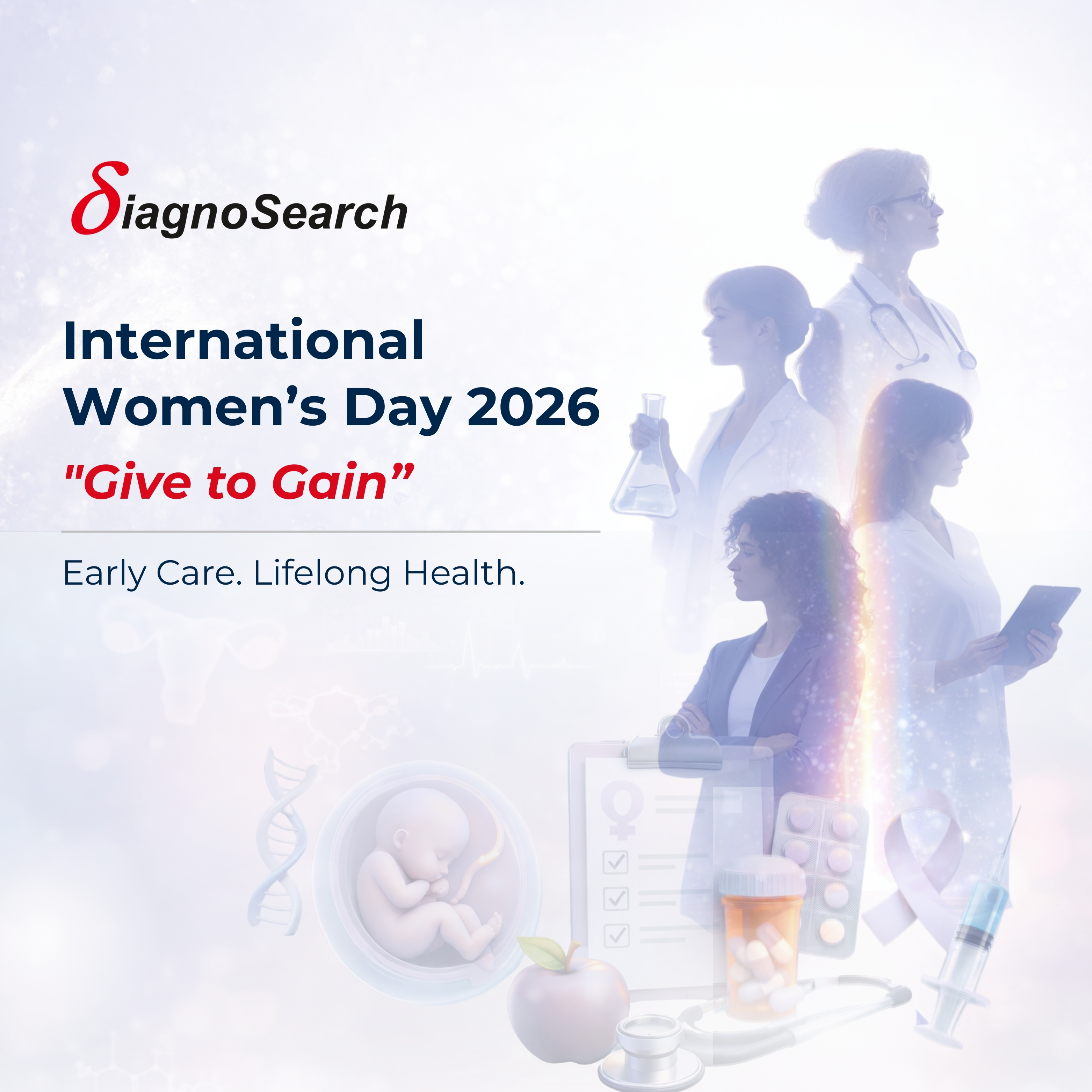
As we mark International Women’s Day 2026 this year on 8 March, the theme “Give to Gain” offers a powerful lens through which to view women’s health. It is not merely a philanthropic slogan; it is a socio-biological manifesto. In the realm of healthcare, 'Give to Gain' posits that when we invest or give meticulous attention to the female physiological journey, society accrues a dividend of resilience, productivity, and generational health. A woman’s health is the cornerstone of the global health architecture. To neglect the cornerstone is to imperil the entire edifice.
The Adolescent Threshold: Priming the Biological Foundation (Ages 10–19)
The transition from childhood to adolescence is a critical window of biological plasticity. To gain a lifetime of skeletal integrity and reproductive health, we must give precedence to:
Nutritional Fortification: Addressing the endemic challenge of iron-deficiency anemia through a diet rich in bioavailable iron and calcium-dense cereals like Eleusine coracana (Finger Millet).
Immunological Prophylaxis: The administration of the Human Papillomavirus (HPV) vaccine is a non-negotiable intervention. By 'giving' this vaccine to our daughters, we 'gain' the virtual eradication of cervical carcinoma.
Physical Resilience: Engaging in weight-bearing activities to optimize Peak Bone Mass, a vital reserve for the post-menopausal years.
The Reproductive Primacy: Managing Hormonal Homeostasis (Ages 20–40)
In the third and fourth decades, women navigate the complex interplay of career-related psychosocial stressors and reproductive milestones.
Metabolic Vigilance: The rising prevalence of Polycystic Ovary Syndrome (PCOS) necessitates a shift from sedentary patterns to metabolic conditioning. We must 'give' up processed glycemic loads to 'gain' endocrine equilibrium.
The Screening Imperative: The Papanicolaou (Pap) Smear remains the gold standard for cytological screening. Regular triennial intervals are essential.
Psychological Equilibrium: We must de-stigmatize mental health. Incorporating 'Mindfulness-Based Stress Reduction' (MBSR) is essential to mitigate the deleterious effects of chronic cortisol elevation.
The Menopausal Transition: Structural and Cardiovascular Integrity (Ages 40–55)
As women approach the perimenopausal climacteric, the decline in endogenous estrogen triggers systemic shifts.
Skeletal Preservation: To counteract Osteoporosis, clinicians emphasize a regimen of Vitamin D3 and resistance training.
Oncological Surveillance: Annual Digital Mammography is the cornerstone of early breast cancer detection. Here, we 'give' vigilance to 'gain' survivability.
Cardiovascular Prophylaxis: This is the era to strictly monitor Lipid Profiles and hypertension, as the cardioprotective effects of estrogen begin to wane.
The Golden Maturity: Longevity and Preventive Geriatrics (55+ Years)
Health in the senior years should be defined by functional independence rather than the absence of infirmity.
Immunosenescence Management: To gain a life free from debilitating respiratory crises, the Pneumococcal Conjugate Vaccine (PCV) and Zoster (Shingles) vaccine are paramount.
Cognitive Reserves: Engaging in neuroplasticity-promoting activities to stave off cognitive decline and Alzheimer’s.
Vascular Health: Continuous monitoring of the HbA1c (Glycated Hemoglobin) to ensure metabolic stability.
In conclusion, the 'Give to Gain' paradigm reminds us that self-care is not an act of indulgence; it is an act of stewardship. When a woman gives herself the gift of a balanced diet, regular diagnostics, and timely vaccinations, she gains the agency to lead, the power to nurture, and the longevity to inspire.
At DiagnoSearch Life Sciences, our work in clinical research, including preventive health trials, contribute to generating scientific knowledge and evidence that supports better healthcare outcomes worldwide. Evidence generated through rigorous clinical trials and data-driven research continues to shape preventive healthcare strategies and expand access to innovative therapies.
Let us commit today to a future where medical intervention is proactive, not merely reactive. For in the health of women lies the wealth of nations.
Investigational and Prophylactic Matrix
Life Stage | Primary Objective | Key Investigational Modality | Immunological Intervention |
|---|---|---|---|
Adolescence | Hematological Vigor | CBC & Ferritin Analysis | HPV Series |
Young Adult | Endocrine Balance | Ultrasonography (Pelvis) | Hepatitis B & Tdap |
Mid-Life | Malignancy Screening | Mammography & Pap Smear | Influenza (Annual) |
Seniority | Structural Integrity | DEXA Scan (Bone Density) | Pneumococcal & Shingles |